
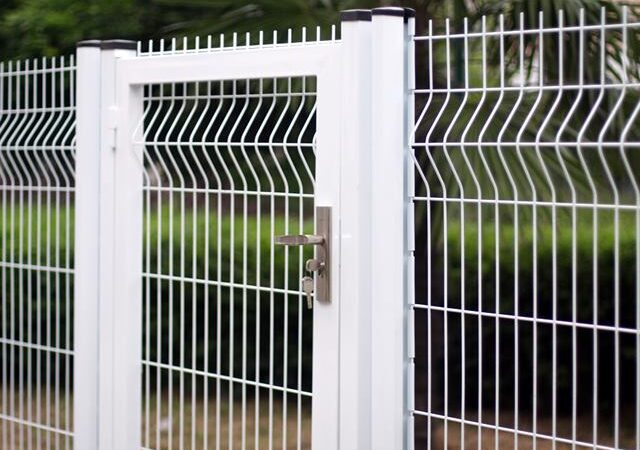
A well-built sports fence should feel almost invisible during play: strong enough to protect the court, clean enough to support the design of the facility and simple enough to maintain for many seasons.
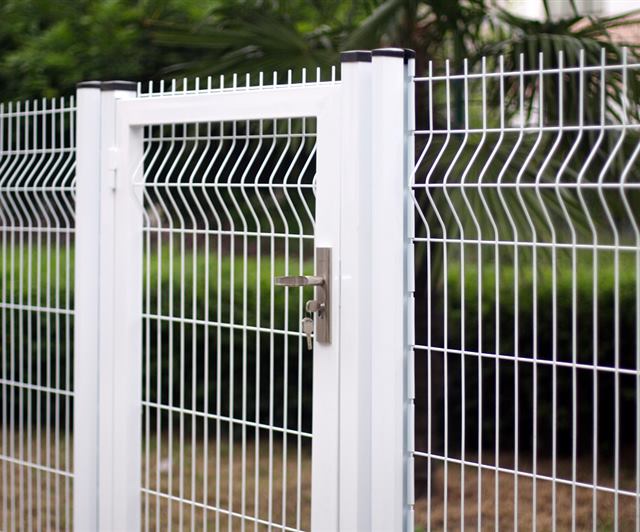
Before installation: confirm the site conditions
Good installation starts before the first post is set. Review the court drawings, check the boundary line, identify drainage slopes, locate underground utilities and confirm where players, maintenance teams and visitors will enter the facility.
- Measure the full perimeter and mark corners clearly.
- Confirm post positions before drilling or foundation work.
- Check whether the site needs stronger posts for wind exposure.
- Plan the gate width for equipment, maintenance carts and emergency access.
- Choose corrosion-resistant finishes for humid, coastal or high-use environments.
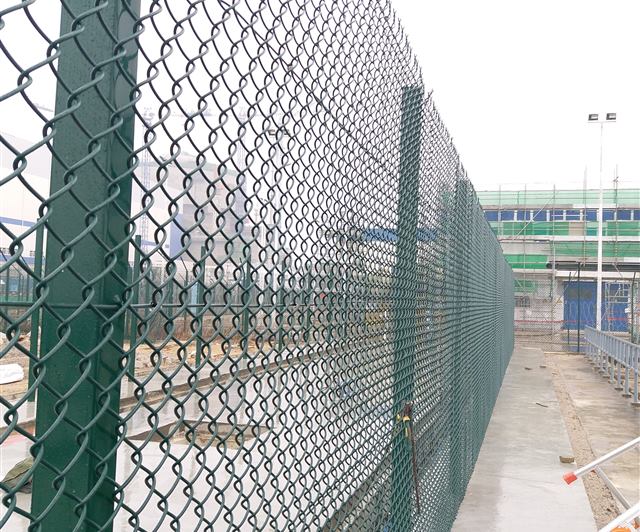
Chain link systems
Keep mesh tension even and inspect tie wires, rails and terminal posts after heavy use.
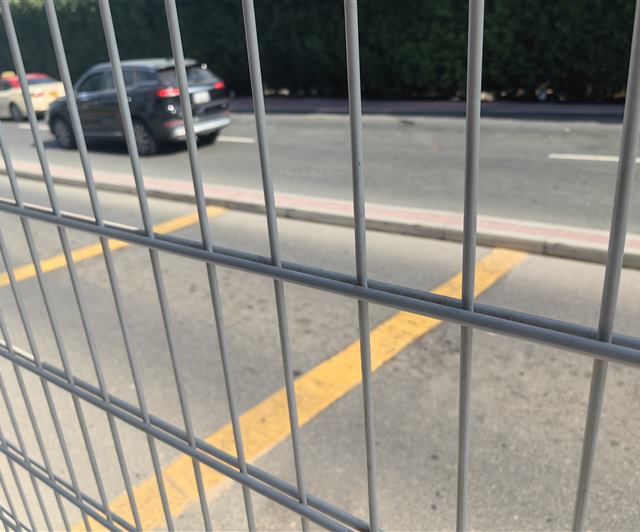
Welded mesh systems
Check panel alignment, clamps and coating condition to preserve a clean architectural look.
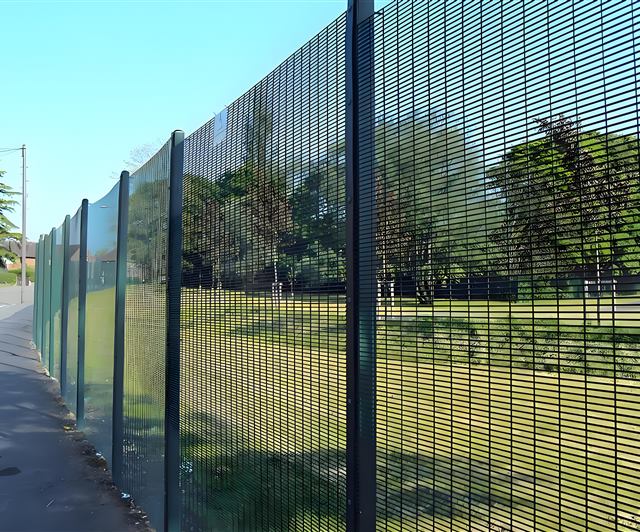
358 mesh systems
Use accurate posts, secure fixings and anti-climb detailing for higher security facilities.
Gate placement and access planning
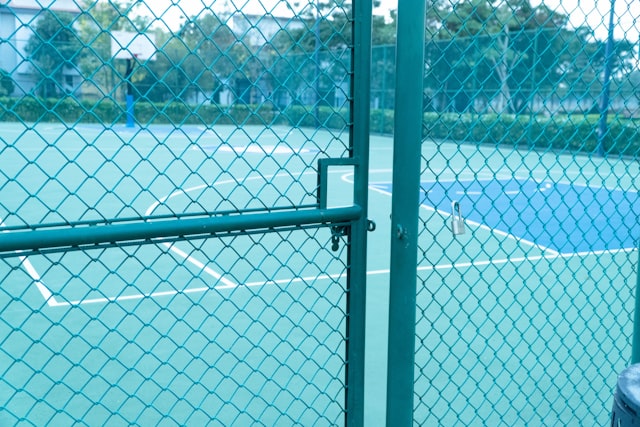
Gates are the most frequently used part of a sports fence. Place them where traffic naturally flows, keep swing areas clear and choose hinges, locks and frames that match the expected use level. For schools and public parks, a wider service gate can make maintenance much easier.
Simple maintenance checklist
- Clean dust, mud and plant debris from the bottom of the fence.
- Inspect coating scratches and repair damaged areas early.
- Tighten loose bolts, clamps, hinges and gate hardware.
- Check that panels or chain link fabric remain straight and evenly tensioned.
- Remove weeds near posts to reduce moisture buildup.
- Schedule a deeper inspection after storms, heavy impact or seasonal facility shutdowns.
When to upgrade the specification
If a court is used daily, installed in a windy location or located near public traffic, it is worth upgrading the posts, mesh thickness and protective finish. A stronger fence system usually costs more at the beginning, but it reduces repairs, downtime and replacement work over the life of the facility.
Planning a new sports fence project? Send us your drawings, court dimensions or target budget, and we can help you choose a practical specification.